Planning a project like this in Westchester or the Hudson Valley?
Book NowThe single biggest difference between a paint job that looks beautiful for ten years and one that disappoints within twelve months is preparation. At Lucaz, prep typically takes longer than the actual painting, and that is by design.
Most homeowners assume the value of a professional paint crew is in the brush work. The reality is the opposite. Brush technique matters, but the prep work that comes before paint touches the wall is what separates a real result from a weekend project. Here is the exact sequence we follow on every interior job.
Step 1: Protect everything that is staying
Before a single drop of paint is opened, our crew protects the room. That means moving furniture out or to the room center, taping off trim and outlets, dropping floors with real canvas (not flimsy plastic), and bagging light fixtures.
It feels excessive when you watch us do it, but moving a drop cloth one room over is a thirty-second job. Scrubbing dried paint off a hardwood floor is a much longer one.
Step 2: Patch, sand, and feather
Every room in a lived-in home has small wall damage: nail holes, picture-hanger scars, settling cracks, drywall dings near light switches. Each one needs to be filled with the right compound, sanded smooth, and feathered into the surrounding wall so the patch disappears under primer.
For a typical Westchester living room we are usually filling 30 to 60 individual spots. Skipping this step is the most common reason a fresh paint job still looks tired the day after it is done.
The right material for the right damage
- Lightweight spackle for nail holes and small dings. It dries fast and sands easily.
- Joint compound for larger patches, drywall tape repairs, and settling cracks.
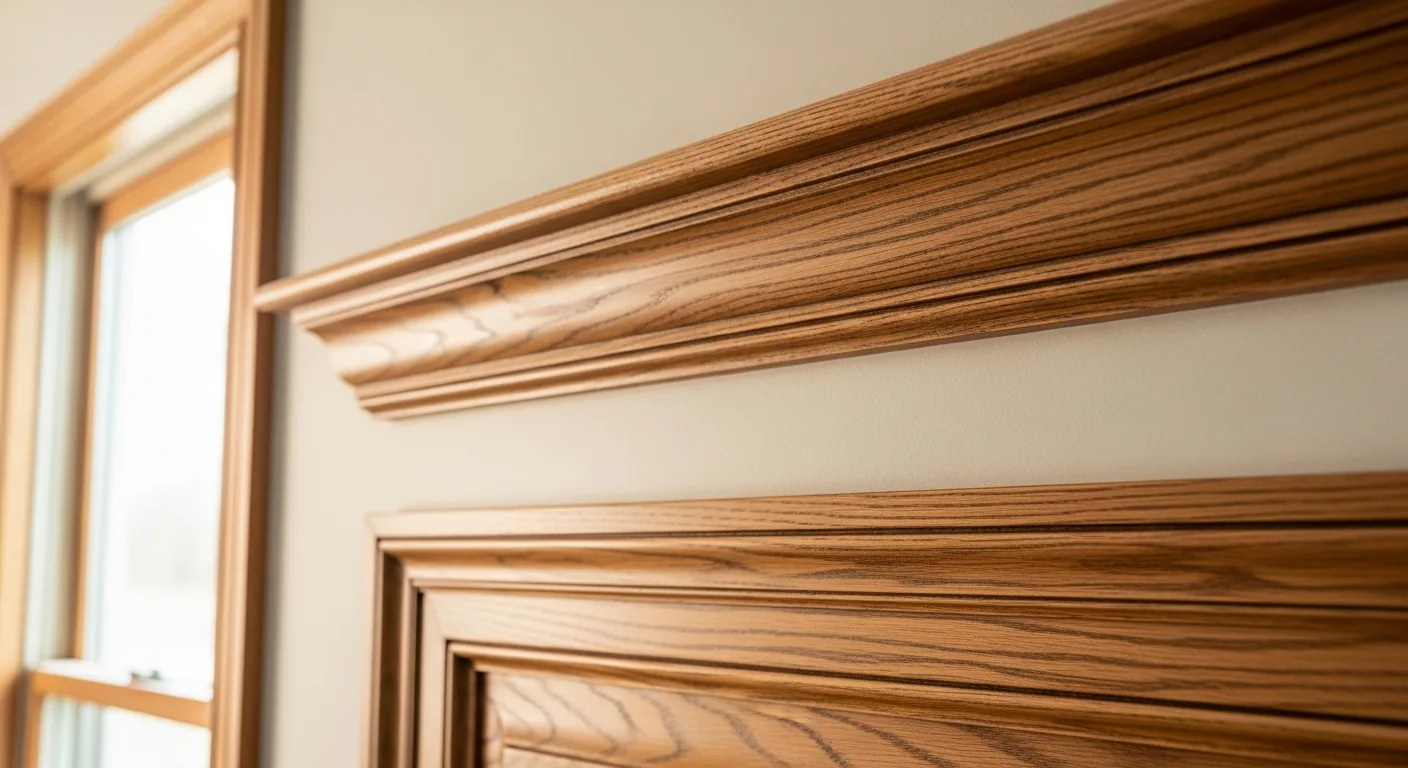
- Wood filler for trim, crown, baseboard, and door damage that needs to hold up to abuse.
- Two-part epoxy for rotted wood that needs to be saved instead of replaced.
Step 3: Clean and prime
Walls in kitchens, hallways, and mudrooms collect more grease, dust, and grime than people realize. We wash high-traffic surfaces with a TSP substitute, then prime any patched spots, water stains, color changes, or bare drywall so the topcoat lays down evenly.
Skipping primer on patched drywall causes a phenomenon called flashing: the patched areas dry to a different sheen than the surrounding wall, and you can see every patch from across the room when the light hits it. Primer prevents this.
Step 4: Cut in clean lines
The crisp edges where a wall meets the ceiling, the trim, or an adjacent color are what separate a professional job from a DIY project. This is brush work, not tape work. A skilled cut-in is faster, cleaner, and far more reliable than masking every line.
Want it done right the first time?
Get a detailed written quote from a fully insured and licensed local crew. Request one today and Lucaz Painting & Carpentry will follow up within 1 business day.
For complex transitions (a coffered ceiling, a multi-color accent wall, intricate trim profiles) we still use tape. But for the long straight lines that define every room, a steady hand and the right brush wins every time.
Step 5: Two finish coats, always
One thick coat is not the same as two thin coats. Two coats deliver better hide, better color depth, more uniform sheen, and significantly more durability. The price difference is small. The quality difference is enormous.
Frequently asked questions
How long does interior painting actually take?
For a single average-sized bedroom with normal prep, plan on one to two days. A whole-floor project with multiple rooms, hallway, ceilings, and trim is usually four to seven working days depending on conditions.
Do I need to move out?
No. We sequence the work room by room, and you can sleep in the home every night. We just ask that the rooms being painted that day are cleared of small valuables and personal items.
Will it smell?
Modern low-VOC and zero-VOC paints have minimal odor and dissipate quickly. We can also use specific products (like Benjamin Moore Natura) when sensitivity is a concern.